Getting Shirty
26th November 2025
You can tell a lot about the state of the economy from what’s flying off the shelves in shops. TM Lewin - once left high and dry by the pandemic - made its comeback on the high street earlier this year and is preparing a store revival.
Its decision to open new stores is being fuelled by something those of us in recruitment have known for a while: people are heading back to the office in significant numbers.
At TMM Recruitment, we’re seeing this shift play out not just in what candidates are wearing to interviews, but in how employers are thinking about work itself. The once-radical idea of remote-first work has quietly been replaced with something far more traditional.
The structure we’re seeing most frequently is 4:1 - four days in the office, one from home. This represents a step change from the 3:2 hybrid model that became commonplace after lockdowns ended. Some companies are asking staff to come in on set days; others are offering a bit more flexibility.
Why does this matter? Because workplace culture is shifting again, and this time it’s being driven as much by commercial necessity as collaboration. In sectors like finance, legal, energy, and tech, employers are telling us
that teams work more effectively when they’re physically together.
Some companies are asking staff to come in on set days; others are offering a bit more flexibility.
It helps with knowledge transfer, productivity, onboarding, and, crucially for younger workers, learning through osmosis. Some of the best mentoring doesn’t happen in a Teams meeting; it happens while making a coffee or walking out of a meeting room together.
This shift is also reigniting conversations about place and belonging. Many employers tell us they’ve invested heavily in creating offices that people actually want to come back to - spaces that encourage creativity, connection and culture.
That matters in a region like ours, where collaboration across sectors has always been one of our great competitive advantages. When people come together, ideas flow faster. Innovation happens. Culture takes shape. And that’s the stuff that ultimately drives productivity and growth.
Research by Aberdein Considine found that over 90% of Scottish SMEs are prioritising a return to full-time office working. That may raise eyebrows in boardrooms still clinging to hot-desking spreadsheets, but it underlines a real desire among business leaders to re-establish a physical sense of place and presence.
Employees are still being offered flexibility, but within the framework of being together more often.
And let’s remember - most businesses in our region are small or medium-sized. They don’t have the luxury of sprawling digital infrastructure or large HR departments. What they do have is a deep understanding of what works for them - and increasingly, that means seeing their people, in person, most of the week. Of course, the return to the office doesn’t mean a return to rigidity. We’re seeing a more human approach to presenteeism. Employees are still being offered flexibility, but within the framework of being together more often. It’s less about clocking in and more about being visible, available and being engaged.
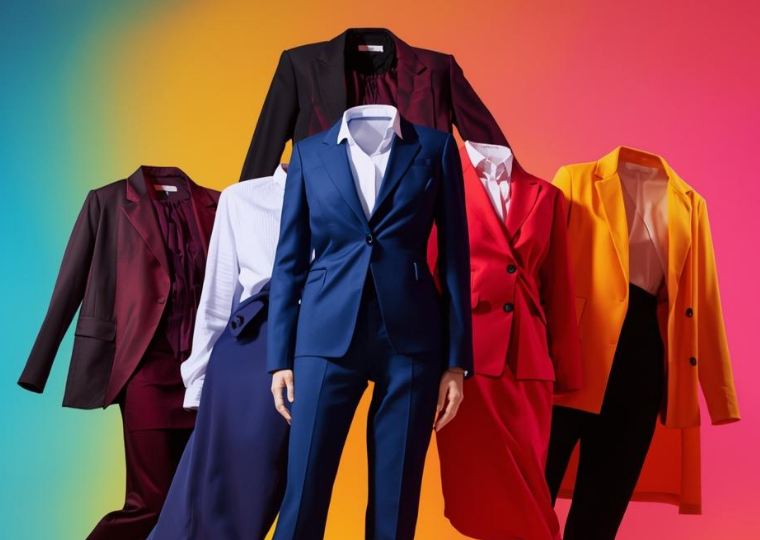
And yes, that means dressing the part too. Just like TM Lewin, we’ve seen signs that candidates are taking more pride in presentation again. There’s a move toward smart-casual - or just plain smart. It’s not about impressing your boss; it’s about feeling professional.
So, what’s next? We expect to see more firms formalising their return-to-office policies in 2026. One thing is certain, the era of the fully remote, Zoom-everything workplace is fading. Not because it failed - but because work, at its best, is social, collaborative, and surprisingly well-dressed.
Yet alongside this shift sits an equally important truth: flexibility remains powerful competitive currency. Employees increasingly make career decisions through the lens of family, lifestyle, and personal wellbeing and organisations that listen and adapt around real lives will stand out.